The Unseen Costs of Intermittent Explosive Disorder: Impact on Career, Finances, and Freedom
An outburst of anger can feel like a storm—intense, overwhelming, and then it passes. But what if the storm leaves behind a trail of destruction that you can no longer ignore? For those struggling with explosive anger, the consequences often go far beyond a moment of regret. These patterns of behavior, which may be related to Intermittent Explosive Disorder (IED), carry hidden costs that can quietly dismantle your life. You might be asking yourself, how do I know if I have IED? The first step is to understand the full scope of its impact.
The damage isn't just a broken plate or a strained conversation; it's the foundation of your career, your financial stability, your relationships, and even your freedom. If you've ever felt that your anger is costing you more than just your peace of mind, you are not alone. Recognizing these unseen costs is a critical and courageous first step toward regaining control. To begin this journey of self-awareness, you can start your assessment today.
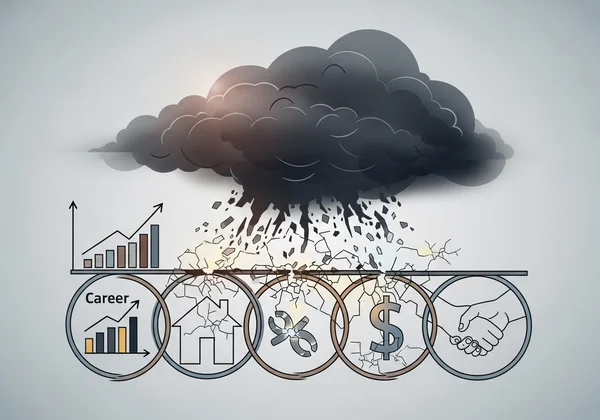
Explosive Anger & Your Career: Losing Jobs & Stalled Growth
Your professional life is often the first place where the financial and social consequences of unmanaged anger become undeniable. What might seem like a simple "bad day at the office" can escalate into a pattern of behavior that puts your entire career at risk. This is a common struggle for individuals whose actions align with the signs of intermittent explosive disorder treatment needing to be explored.
The Cycle of Outbursts at Work: From Conflict to Dismissal
It often starts small: a sharp tone with a colleague, a frustrated slam of a fist on a desk, or an overly aggressive email. These incidents create an environment of tension and unpredictability. Coworkers may start to avoid you, and managers may label you as "difficult" or "not a team player." This workplace conflict can escalate from minor disagreements to heated arguments, formal warnings, and ultimately, termination. Each outburst chips away at your professional reputation, making it harder to build the trust and collaboration necessary for success.
Stalled Promotions & Missed Opportunities Due to IED
Even if your outbursts don't lead to being fired, they can cause significant career stagnation. Leadership roles require emotional regulation, strong interpersonal skills, and the ability to handle pressure gracefully. When explosive anger is part of your behavioral pattern, you may be consistently overlooked for promotions, key projects, and leadership opportunities. The unseen cost here is not just a lost title or a smaller paycheck; it's the unfulfilled potential and the growing gap between where you are and where you want to be. The feeling of being stuck can, in turn, fuel more frustration and anger, creating a destructive loop.

Financial Strain: Impulsive Decisions & The Cost of Anger
The impact of IED often extends deep into your bank account, creating a hidden financial crisis. The impulsivity that characterizes explosive outbursts doesn't always stop at words or actions; it can bleed into your financial decision-making, leading to instability and long-term stress. The financial cost of anger is real, tangible, and can be devastating.
Impulse Spending & Uncontrolled Financial Risks
During or after a period of intense anger, some individuals engage in impulsive buying or reckless financial behaviors as a way to cope or seek a fleeting sense of control or pleasure. This can manifest as maxing out credit cards, making large, unplanned purchases, or even engaging in risky gambling. These decisions provide a temporary distraction but result in mounting debt, financial anxiety, and conflict with partners or family members over money, adding yet another stressor that can trigger future outbursts.
Damage & Restitution: Direct Costs of IED Outbursts
The more visible costs come from the physical expression of rage. A punched wall, a broken phone, or a damaged car door all require money to repair or replace. When these outbursts occur in public or involve others' property, the costs can skyrocket to include restitution payments or legal fees. This direct financial drain from property destruction creates a constant state of playing catch-up, where your money goes toward fixing the past instead of building a secure future. If this sounds familiar, it may be time to get a clear picture of your anger patterns.

IED & Relationships: Divorce, Custody, and Lost Connections
Perhaps the most painful cost of untreated explosive anger is the erosion of personal relationships. The people closest to you—your partner, children, and friends—often bear the brunt of the emotional fallout. While you may feel deep remorse after an episode, the cumulative effect of fear, anxiety, and broken trust can become too much for any relationship to withstand, a scenario often linked with IED and divorce.
How Explosive Anger Erodes Intimate Relationships
In a romantic relationship, IED creates a cycle of tension, explosion, and fragile reconciliation. Your partner may feel like they are constantly "walking on eggshells," afraid to say or do the wrong thing. This fear suffocates intimacy, communication, and emotional safety. Over time, love and affection can be replaced by resentment and self-preservation. Apologies lose their meaning when the behavior is repeated, leading to emotional withdrawal, separation, and often, divorce. The connection you cherish most becomes a casualty of the disorder.
Navigating Child Custody Battles with IED
When children are involved, the stakes become even higher. A history of explosive anger can be a significant factor in family law and child custody disputes. Your outbursts may be used as evidence that you cannot provide a stable and safe environment for your children. This can lead to supervised visitation or, in severe cases, the loss of custody altogether. This is a devastating and often irreversible consequence, highlighting the urgency of addressing these behaviors before they lead to legal intervention.
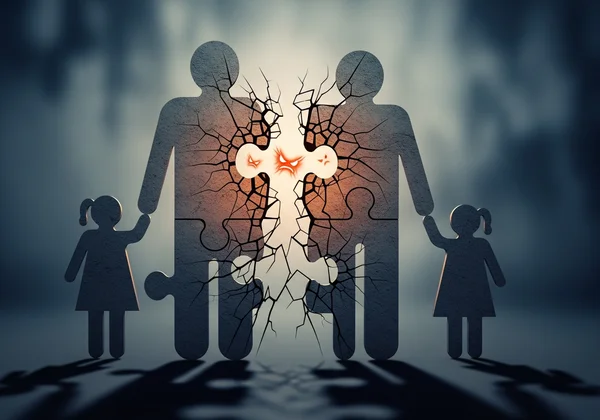
Beyond Fines: IED & Legal Consequences
When explosive outbursts cross a certain line, they are no longer just a personal problem—they become a legal one. The impulsivity and aggression associated with Intermittent Explosive Disorder can lead to actions that have serious, life-altering legal ramifications. Understanding the potential for IED legal trouble is essential, as the consequences can include fines, restraining orders, and even jail time.
Assault, Property Damage: Criminal Charges Linked to IED
An explosive episode can quickly escalate into illegal activity. Yelling can turn into threats, throwing an object can become property damage, and a physical confrontation can lead to assault charges. These actions can result in a criminal record, which carries its own set of long-term costs, affecting your ability to find employment, secure housing, or even travel. A single moment of uncontrolled rage can saddle you with a legal burden that follows you for years.
Restraining Orders & Protective Measures: A Legal Reality
In situations involving domestic conflict, a partner or family member may seek a restraining order or a protective order out of fear for their safety. This legal action can force you out of your home, restrict contact with your children, and create a formal record of aggressive behavior. It's a clear signal that your actions have created an environment of fear, and it underscores the critical need for intervention. The path to this point is often gradual, and recognizing the warning signs is key. A confidential assessment can be the first step in this process.
Breaking the Cycle: Taking Control of Unseen Costs
The costs of untreated Intermittent Explosive Disorder are staggering. They quietly chip away at your career, drain your finances, destroy your most cherished relationships, and threaten your freedom. Reading this, you may recognize pieces of your own story, and that recognition is not a cause for shame, but a call to action.
You do not have to let anger write the rest of your life's story. Change is possible, and it begins with understanding. By taking the first step to acknowledge the true impact of these behaviors, you are reclaiming your power. The journey starts with a single, simple action: gaining insight.
We invite you to visit our homepage and use our free, confidential Anger & Impulsivity Self-Assessment. It is not a diagnosis, but a tool designed to provide you with valuable insights into your behavioral patterns. Let this be the day you stop paying the unseen costs and start investing in a future defined by control, peace, and hope. Take the free test.
Frequently Asked Questions About the Impact of IED
What happens if Intermittent Explosive Disorder (IED) is left untreated?
If left untreated, IED can lead to a cascade of worsening negative consequences. Professionally, this can mean chronic unemployment. Financially, it can result in significant debt and instability. Socially, it often leads to divorce, strained family relationships, and profound isolation. Furthermore, the risk of legal trouble, self-harm, and developing other mental health conditions like depression and anxiety increases significantly over time.
Does IED get worse with age if not addressed?
While the frequency of outbursts may decrease for some individuals with age, the consequences of those outbursts often become more severe. As responsibilities grow (career, marriage, children), the impact of explosive anger on your life and the lives of those around you becomes much greater. The patterns of behavior can become more entrenched without intervention, making it harder to change. Therefore, addressing the disorder early is crucial to prevent escalating damage.
How can I tell if my anger issues are leading to these unseen costs?
A good way to start is by self-reflection. Ask yourself: Have I lost a job or been warned at work because of my temper? Do I make impulsive financial decisions when I'm angry? Do my loved ones seem afraid of me or avoid certain topics? Have my actions ever led to property damage or flirted with legal trouble? If you answer "yes" to any of these, your anger is likely creating significant unseen costs. To better understand these patterns, taking a structured self-assessment can provide clarity and a path forward. You can learn more here to begin.