Intermittent Explosive Disorder Treatment: Your CBT Guide to Managing Explosive Anger
The hidden struggles of explosive anger can feel isolating and overwhelming. One moment you feel in control, and the next, an uncontrollable surge of rage takes over, leaving confusion and regret in its wake. For many, finding effective support is the crucial first step towards healing and reclaiming control. If you're asking yourself, how do I know if I have IED?, understanding your options is paramount. This guide explores Cognitive Behavioral Therapy (CBT), a leading therapeutic approach for Intermittent Explosive Disorder (IED), explaining how it works and what you can expect on your journey to managing anger effectively.
Before seeking professional therapy, gaining a clearer understanding of your own patterns can be incredibly empowering. A great starting point is a confidential anger self-assessment to gain initial insights.

Understanding Cognitive Behavioral Therapy (CBT) for IED
Cognitive Behavioral Therapy, or CBT, is a goal-oriented psychotherapy treatment that takes a hands-on, practical approach to problem-solving. Its goal is to change the patterns of thinking or behavior that are behind people's difficulties, and so change the way they feel. For Intermittent Explosive Disorder, CBT is highly effective because it directly addresses the cycle of explosive outbursts.
What Exactly is CBT and How Does It Relate to Anger?
At its core, CBT operates on the idea that our thoughts, feelings, and behaviors are interconnected. It's not necessarily the external events themselves that upset us, but the meanings we give them. When it comes to anger, CBT helps you identify the specific thoughts and beliefs that trigger disproportionate rage. It teaches you to challenge these thoughts and replace them with more balanced and realistic ones, thereby breaking the chain reaction that leads to an explosive episode.
The Core Principles: Thoughts, Feelings, and Behaviors in IED
The CBT model is often visualized as a triangle with thoughts, feelings, and behaviors at each point. For someone with IED, this cycle might look like this:
-
Thought: Someone cuts you off in traffic, and your immediate thought is, "They did that on purpose to disrespect me!" This is an example of cognitive distortions, or irrational ways of thinking.
-
Feeling: This thought instantly triggers intense feelings of rage, injustice, and a loss of control.
-
Behavior: The intense feeling leads to an explosive outburst—screaming, honking excessively, or aggressive driving.
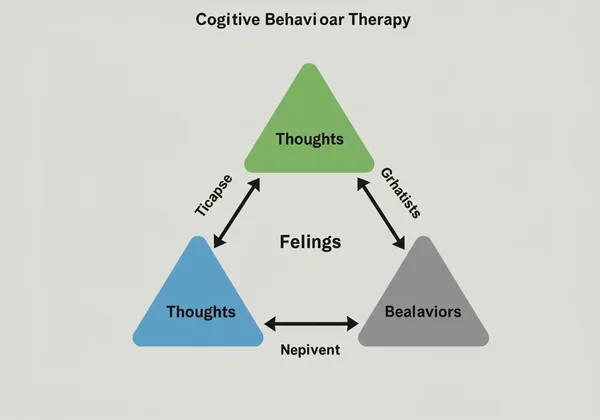
CBT works by intervening at the "thought" stage, helping you recognize and reframe these automatic negative thoughts before they escalate into overwhelming emotions and destructive actions.
How CBT Works to Manage Explosive Anger
Simply understanding the theory isn't enough; the power of cognitive behavioral therapy anger management lies in its practical application. A therapist guides you through specific strategies and exercises designed to give you real-world tools to manage IED symptoms. Taking an explosive anger test can help you recognize which symptoms are most prominent for you.
Identifying Triggers and Thought Patterns in IED
The first step in CBT is often becoming a detective of your own mind. You'll learn to identify your personal anger triggers—the specific situations, people, or internal states that set off your anger. This might involve keeping a journal to track your outbursts. You'll record what was happening before, during, and after an episode, paying close attention to the thoughts that were running through your head. This process helps uncover the unhealthy thought patterns that fuel your reactions.
Building Essential Skills for Emotional Regulation and Impulse Control
Once triggers and thoughts are identified, CBT focuses on building a new skill set. This is where you learn practical techniques for emotional regulation and impulse control. These skills might include:
-
Relaxation Techniques: Deep breathing exercises, progressive muscle relaxation, or mindfulness to calm your body’s physiological response to anger.
-
Cognitive Restructuring: Learning to catch, challenge, and change the distorted thoughts that lead to rage.
-
Problem-Solving Skills: Developing constructive ways to handle frustrating situations instead of resorting to aggression.

These techniques empower you to respond to triggers thoughtfully rather than reacting impulsively.
Behavioral Experiments and Exposure: Facing Your Anger Safely
As you build confidence, your therapist may introduce behavioral experiments. This involves safely and gradually exposing yourself to situations that typically trigger your anger, but this time, you'll be armed with your new coping skills. The goal is to practice your new responses in a controlled way, proving to yourself that you can handle these situations differently. This builds mastery and reduces the fear and anxiety associated with potential triggers.
Your Journey Through Therapy for Intermittent Explosive Disorder
Starting therapy for intermittent explosive disorder can feel intimidating, but knowing what to expect can ease the process. The journey is a collaborative partnership between you and your therapist, focused on achieving your specific goals for a more peaceful life. If you're considering this path, you can start your assessment to gather personal insights to discuss with a professional.
What to Expect in Your First CBT Session
Your first session is primarily about assessment and building rapport. Your therapist will want to understand your history with anger, how it impacts your life, and what you hope to achieve. You'll discuss the frequency and intensity of your outbursts and the consequences you've faced. This is a safe, non-judgmental space to share your experiences. You will also learn more about the CBT process and set initial goals for your treatment.
Typical Duration and Structure of CBT for IED
CBT is typically a short-term therapy, often lasting between 12 to 20 sessions, although the exact duration depends on individual needs. Sessions are usually held weekly and are highly structured. Each session will likely involve reviewing the previous week, discussing any challenges, learning a new skill or concept, and setting a specific "homework" assignment to practice what you've learned.
The Importance of Practice Between Sessions
What you do between sessions is just as important as the sessions themselves. CBT is not a passive process; it requires active participation. Your therapist will assign tasks—often called "homework"—to help you apply the skills you're learning to your daily life. This could involve practicing relaxation techniques, keeping a thought record, or intentionally using a new problem-solving strategy. This practice is crucial for making lasting changes.
Benefits and Finding the Right CBT Therapist for IED
Engaging in CBT for IED can lead to profound, life-altering changes that extend far beyond simply controlling your temper. The journey of finding the right professional is a critical step in achieving these benefits.
Real-World Improvements with CBT for Explosive Anger
The benefits of successful IED treatment are tangible. Patients often report improved relationships with family and friends, as they are no longer living in fear of the next outburst. Many experience reduced stress and anxiety, better performance at work or school, and a restored sense of self-esteem and control over their lives. Ultimately, CBT provides a pathway to not just manage anger, but to build a more fulfilling and stable life.

Tips for Choosing a Qualified CBT Therapist
Finding a qualified therapist who specializes in CBT and anger management is key. Look for licensed mental health professionals such as psychologists, psychiatrists, or licensed clinical social workers. When searching, use terms like "CBT for anger" or "IED specialist." Don't be afraid to ask potential therapists about their experience treating IED and their specific approach. A good fit is essential for a successful therapeutic relationship.
Taking the Next Step Towards Managing IED
The journey to managing Intermittent Explosive Disorder can undoubtedly feel overwhelming, filled with frustration and isolation. But please know, you're not alone in this, and effective support is within reach. Cognitive Behavioral Therapy offers a proven, compassionate path forward, equipping you with powerful skills to understand your anger, master your impulses, and ultimately reclaim peace and control in your life. Imagine the profound difference that comes from truly breaking free from the cycle of explosive anger—a more stable, fulfilling future awaits.
The first step is often the hardest, but it's also the most important. If you're ready to understand your anger more deeply, we invite you to try our free tool on our homepage. This confidential assessment can provide valuable insights and serve as a powerful starting point on your journey toward healing.
Frequently Asked Questions About CBT and IED
Can intermittent explosive disorder be cured with CBT?
While "cure" can be a complex term in mental health, CBT is considered one of the most effective treatments for managing IED. It can dramatically reduce the frequency and intensity of explosive outbursts, teaching you lifelong skills for emotional control. Many people who complete CBT achieve long-term remission of their symptoms and feel they have regained control over their lives.
What happens if IED is left untreated?
If left untreated, IED can have severe consequences. It can lead to damaged relationships, divorce, job loss, financial problems, and even legal trouble. The chronic stress associated with the disorder can also contribute to physical health issues like high blood pressure and heart disease. Seeking help is crucial to prevent these negative outcomes.
How do I know if I have IED and need CBT?
The defining feature of IED is a pattern of explosive outbursts of rage that are grossly out of proportion to the situation. If you find yourself repeatedly losing control, engaging in verbal aggression or physical destructiveness, and feeling intense regret afterward, it's a strong sign you should seek help. To get a better preliminary understanding of your symptoms, you can take a free and confidential intermittent explosive disorder test on our website, which can be a helpful resource to bring to a discussion with a healthcare provider.