Intermittent Explosive Disorder & Comorbidity: Links Between Anger, Anxiety, & Depression
Experiencing intense anger outbursts alongside feelings of anxiety or a persistent low mood can be incredibly confusing and distressing. You might wonder if these issues are connected, or if you're dealing with multiple, separate problems. Are these intense feelings connected? This is a question many people grapple with, often feeling isolated in their struggle. The reality is that there is a significant overlap between intermittent explosive disorder (IED), anxiety, and depression. This article delves into this common comorbidity, offering clarity and validation for those navigating these complex emotional landscapes. Understanding these links is a crucial first step toward finding the right path forward.

If you are trying to make sense of your own patterns of anger and emotion, a structured self-reflection tool can be a helpful starting point. An anger self-assessment can provide valuable initial insights into your experiences.
IED and Depression: Unraveling the Connection
The relationship between Intermittent Explosive Disorder and depression is often a two-way street. One can fuel the other, creating a challenging cycle that is difficult to break. People experiencing both often report feeling trapped by their own emotions, where sadness and explosive anger seem to be in constant conflict. Understanding this connection is vital for finding effective ways to manage both conditions.
How Depression Influences Explosive Anger
Depression isn't just about sadness; it often comes with intense irritability, frustration, and a low tolerance for stress. When your emotional reserves are already depleted by a depressive state, even minor annoyances can feel overwhelming. This persistent internal pressure can significantly lower the threshold for an explosive outburst. The feelings of hopelessness and worthlessness associated with depression can also contribute to a sense of having "nothing to lose," making it harder to regulate impulsive, aggressive reactions.
Recognizing Overlapping Symptoms of IED and Depression
Identifying where one condition ends and the other begins can be tricky because their symptoms can overlap. Both IED and depression can involve significant irritability and mood swings. A person might withdraw socially, not only due to low energy from depression but also out of shame or fear following an angry outburst. Feelings of guilt are also a common thread; after an IED episode, immense remorse is typical, which can feed directly into the feelings of worthlessness that characterize depression. Recognizing these shared traits can help you explore your patterns more clearly.
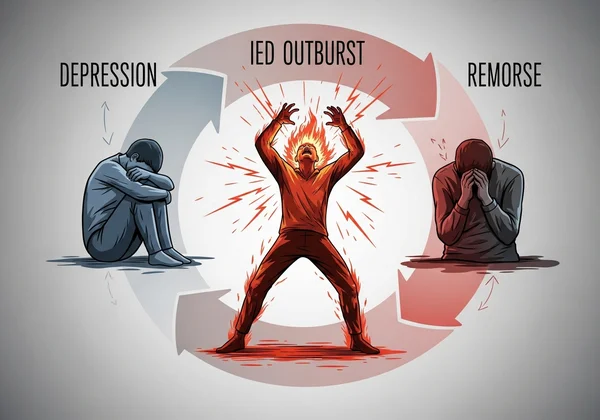
The Vicious Cycle: When Depression Fuels IED Outbursts
The interplay between IED and depression often creates a devastating feedback loop. It works like this: a person feels depressed, irritable, and emotionally numb. This internal state makes them more susceptible to a trigger, leading to an explosive anger episode. Immediately following the outburst, they are flooded with guilt, shame, and regret. These powerful negative emotions deepen the existing depression, further depleting their emotional resources and making another outburst more likely in the future. Breaking this cycle requires addressing both the depressive symptoms and the impulsive anger.
IED and Anxiety: The Intertwined Nature of Anger and Worry
Anxiety and explosive anger are also closely linked, though their connection might seem less obvious at first. While anxiety is often characterized by fear and avoidance, it can also manifest as extreme irritability and aggression. For many, anger becomes a defense mechanism—a way to react when the world feels overwhelming, threatening, or out of control.
Anxiety as a Trigger for IED Episodes
Chronic anxiety keeps the body's fight-or-flight system on high alert. When you are constantly in a state of hypervigilance, your brain is primed to perceive threats everywhere. In this state, an unexpected event or social pressure can be misinterpreted as a direct attack, triggering an immediate and disproportionate "fight" response—an IED episode. The explosive anger serves as a powerful, albeit destructive, way to release the unbearable tension built up by constant worry and fear. For those wanting to understand your anger, recognizing anxiety's role is key.

Distinguishing Between Anxiety-Induced Irritability and IED
It's important to differentiate between general irritability caused by anxiety and the distinct episodes of IED. Many people with anxiety disorders feel "on edge" or are easily annoyed. However, this is typically a more sustained, low-level feeling. Intermittent Explosive Disorder, on the other hand, is characterized by discrete episodes of extreme, uncontrollable rage that are grossly out of proportion to the provocation. The feeling during an IED outburst is often described as a complete loss of control, which is different from the persistent agitation of anxiety.
Coping Strategies for Co-occurring Anger and Anxiety
When anger and anxiety coexist, managing them requires a dual approach. Short-term coping strategies can help de-escalate rising tension. Techniques like deep breathing, mindfulness, or grounding exercises (e.g., focusing on the feeling of your feet on the floor) can calm the nervous system. However, these are often temporary fixes. Long-term solutions involve therapies that address the root causes of both the anxiety and the impulsive anger. Taking the time to reflect on your triggers is a vital first step, and a free, confidential tool can help guide that process.
Comorbidity in IED: Why Multiple Diagnoses are Common
If you recognize yourself in the descriptions of IED, anxiety, and depression, you are not alone. It is very common for individuals with Intermittent Explosive Disorder to have at least one other co-occurring mental health condition. This is known as comorbidity. Understanding why this happens can demystify the experience and highlight the importance of a holistic approach to mental wellness.
Understanding the Neurological and Psychological Links
Research suggests that IED, anxiety, and depression may share underlying neurological roots. For example, dysregulation of neurotransmitters like serotonin, which helps regulate mood and impulse control, has been implicated in all three conditions. Psychologically, factors like a history of trauma, chronic stress, or learned behavioral patterns can create a vulnerability to developing these interconnected issues. The brain pathways that manage threat response and emotional regulation are often working overtime, leading to a complex mix of symptoms.
The Importance of a Comprehensive Mental Health Assessment
Because the symptoms overlap so significantly, self-diagnosis is nearly impossible and can be misleading. This is why a comprehensive assessment from a qualified mental health professional is essential. A professional can carefully untangle the symptoms, understand their origins, and provide an accurate diagnosis. This clarity is the foundation of an effective treatment plan. While online tools can provide a starting point for self-awareness, they can never replace a professional evaluation. They are best used to gain initial insights before a conversation with a healthcare provider.
Seeking Integrated Treatment Approaches for Co-occurring Conditions
Effective treatment must address all co-occurring conditions simultaneously. An integrated approach often involves therapies like Cognitive Behavioral Therapy (CBT), which helps individuals identify and change the negative thought patterns and behaviors that fuel anger, anxiety, and depression. In some cases, medication may be prescribed by a psychiatrist to help regulate brain chemistry. The goal of an integrated plan is not just to manage outbursts but to build lasting emotional resilience and overall well-being.

Your Path to Clarity: Understanding and Addressing Co-occurring Conditions
Living with the combined weight of explosive anger, persistent anxiety, or deep sadness is an immense burden. However, understanding that these conditions are often intertwined is a powerful first step toward healing. Recognizing the cycles, triggers, and overlapping symptoms empowers you to seek the right kind of help. Your experiences are valid, and you don't have to navigate this complex emotional landscape alone.
The journey to understanding begins with a single, confidential step. If you're ready to gain a clearer perspective on your anger patterns, we invite you to start your assessment on our homepage. This free tool is designed to help you reflect on your experiences in a safe, private setting, providing you with insights that can serve as a valuable starting point for a conversation with a professional.
Frequently Asked Questions About IED, Anxiety, and Depression
How do I know if my anger is linked to anxiety or depression?
A key indicator is the context surrounding your anger. If your outbursts often follow periods of intense worry, fear, or feeling overwhelmed, they may be linked to anxiety. If they occur when you're feeling hopeless, irritable, and have low energy, they could be connected to depression. Often, the guilt and shame after an outburst can worsen depressive symptoms. A structured tool like our online test can help you identify these patterns.
Can treating my anxiety or depression improve my IED symptoms?
Yes, absolutely. Because these conditions are so interconnected, treatment for one often has a positive effect on the others. For example, as therapy and/or medication begins to lift the weight of depression, you may find you have more emotional energy and a higher frustration tolerance, reducing the frequency of angry outbursts. Similarly, learning to manage anxiety can lower your baseline tension, making you less susceptible to triggers.
What causes intermittent explosive disorder, especially with co-occurring conditions?
The exact causes are complex and are believed to involve a combination of genetic, biological, and environmental factors. There may be a genetic predisposition to impulsivity and mood dysregulation. Biologically, differences in brain structure and the functioning of neurotransmitters like serotonin play a role. Environmentally, growing up in a household with verbal and physical abuse or experiencing trauma are significant risk factors for developing IED and other co-occurring conditions.
What does IED feel like when experienced alongside anxiety or depression?
It can feel like being caught in an emotional storm with no escape. You might experience long periods of low mood or constant worry, punctuated by sudden, intense episodes of rage that feel completely out of your control. Afterward, you're left with overwhelming shame and confusion, which only fuels the underlying anxiety or depression. Many describe it as feeling like a pressure cooker, where the baseline stress from other conditions builds until it erupts. Taking the first step to explore your feelings is a brave move toward finding calm.