IED Triggers: 8 Common Causes of Explosive Anger
Have you ever felt a sudden surge of uncontrollable anger that seems to erupt from nowhere, leaving you and those around you shaken? If you've experienced explosive outbursts that feel disproportionate to the situation, you are not alone. This pattern is a key feature of Intermittent Explosive Disorder (IED), a condition that can disrupt lives and relationships.

Understanding what triggers these intense reactions is the first and most crucial step toward regaining control. When you know your personal triggers, you can begin to build strategies to manage them effectively. This isn't just about willpower; it's about understanding the science behind your reactions and learning to navigate them.
In this guide, we will explore the common IED triggers that might be fueling your emotional storms. More importantly, we'll discuss practical ways to identify and manage them. The journey to understanding your anger patterns can start today. To gain personalized insights, you can try our free tool to assess your own experiences with anger and impulsivity.
What Causes Intermittent Explosive Disorder? The Neuroscience Behind the Triggers
IED is not simply "bad behavior" or a lack of self-control. Research suggests it involves specific differences in brain structure and chemistry. Understanding this science helps reduce stigma and empowers you to seek effective solutions. The outbursts are often linked to how the brain processes threats and regulates emotions.
How Your Brain's Emotional Regulation System Malfunctions
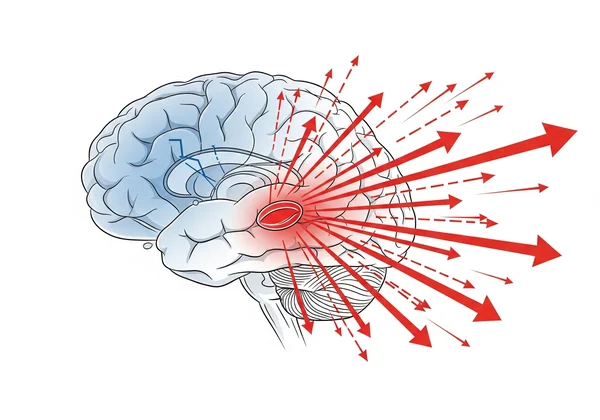
Your brain has a sophisticated system for managing emotions, primarily involving the amygdala and the prefrontal cortex. The amygdala acts as the brain's alarm system, detecting potential threats and triggering a fight-or-flight response. The prefrontal cortex is the "executive" part of the brain, responsible for rational thinking, impulse control, and calming the amygdala's alarm.
In individuals with IED, this communication can break down. The amygdala may be overactive, perceiving threats where there are none or reacting too strongly to minor annoyances. At the same time, the prefrontal cortex may be less effective at stepping in to apply the brakes. This imbalance can lead to an emotional "hijacking," where anger bypasses your rational thought process, resulting in an explosive outburst.
The Role of Stress Hormones in Triggering Explosive Reactions
When you feel threatened or stressed, your body releases hormones like adrenaline and cortisol. These stress hormones prepare you for immediate action by increasing your heart rate, tensing your muscles, and sharpening your focus. This is a helpful survival mechanism in a genuinely dangerous situation.
However, if you are experiencing chronic stress, your body may be in a constant state of high alert. Elevated cortisol levels can make your brain's amygdala even more sensitive, essentially shortening the fuse for an angry outburst. A minor frustration that you might normally brush off can suddenly feel like an overwhelming threat, triggering a full-blown explosive reaction.
8 Common IED Triggers: Identification and Coping Strategies
Triggers are the specific events, feelings, or situations that set off an explosive episode. While they can be highly personal, many fall into common categories. Identifying your unique triggers is a powerful step toward managing IED.
Trigger #1 - Chronic Stress and Overwhelm
Modern life is filled with stressors—work deadlines, family responsibilities, and constant notifications. When this pressure becomes chronic, your capacity to cope diminishes. You might feel like a container filled to the brim; even one more drop of stress can cause it to overflow.
This feeling of being overwhelmed is a major trigger for explosive anger. An otherwise manageable request or minor mistake can become the final straw. Learning stress management techniques, such as mindfulness, deep breathing, or regular exercise, can lower your baseline stress level and give you more emotional breathing room.
Trigger #2 - Sensory Overload and Environmental Triggers
Sometimes, the trigger isn't an emotional event but a physical one. Sensory overload happens when your brain is bombarded with too much information from your environment. Loud noises, bright flashing lights, crowded spaces, or even strong smells can be intensely agitating for some individuals.
If you find yourself getting unexplainably irritable in certain environments, sensory overload might be the cause. Try to notice which settings make you feel tense. Coping strategies can be as simple as wearing noise-canceling headphones in a loud office or stepping outside for fresh air when a room feels too crowded.
Trigger #3 - Relationship Conflicts and Emotional Triggers
Interactions with loved ones are a common source of IED triggers. Feelings of being criticized, disrespected, ignored, or misunderstood by a partner, family member, or friend can ignite intense anger. These emotional triggers are often tied to past experiences and deep-seated insecurities.
An argument over something small can escalate rapidly if it touches on a sensitive issue, such as a fear of abandonment or a feeling of inadequacy. Improving communication skills and learning to express your needs calmly before they build into resentment are vital for managing these triggers. If this sounds familiar, our free assessment can help you reflect on these patterns.
Trigger #4 - Physical Discomfort and Biological Factors
Your physical state has a direct impact on your emotional state. Being in pain, feeling ill, or experiencing hunger can significantly lower your tolerance for frustration. When your body is uncomfortable, your brain has fewer resources available for emotional regulation, making you more susceptible to an outburst.
This is why the simple advice to "not make big decisions when you're hungry" is so wise. Pay attention to your body's signals. Ensuring you are well-rested, fed, and as comfortable as possible can create a stronger foundation for emotional stability.
Trigger #5 - Financial Pressures and Existential Worries
Worrying about money, job security, or your future can create a constant, underlying layer of anxiety. These existential pressures can make you feel powerless and trapped, which are potent ingredients for explosive anger. A sudden unexpected bill or a negative comment from a boss can trigger an outburst that is really about these larger fears.
Addressing these worries head-on, such as by creating a budget or seeking career advice, can help reduce their power. Acknowledging that your anger is linked to these deep-seated fears is the first step toward finding more constructive solutions than an explosive outburst.
Trigger #6 - Sleep Deprivation and Fatigue
Sleep is not a luxury; it is essential for brain health. When you are sleep-deprived, the prefrontal cortex—your brain's control center—is one of the first areas to suffer. This is why you are more likely to be irritable, impulsive, and emotionally volatile when you are tired.
Fatigue robs you of your ability to think clearly and manage your impulses. Prioritizing consistent, quality sleep is one of the most effective anger management strategies available. If you struggle with sleep, it is a crucial issue to address with a healthcare professional.
Trigger #7 - Substance Use and Withdrawal
Alcohol and certain drugs can lower inhibitions and impair judgment, making it much easier for anger to escalate into an explosion. While some people use substances to "calm down," they often have the opposite effect in the long run. The effect of these substances on brain chemistry can directly provoke aggression.
Furthermore, the withdrawal period from substances can also be a major trigger. The physical and psychological discomfort of withdrawal can make a person extremely irritable and prone to outbursts. If you believe substance use is contributing to your anger, seeking professional help is critical.
Trigger #8 - Unexpected Changes and Loss of Control
For many people, a feeling of control is essential for emotional stability. When plans suddenly change, when things don't go your way, or when you feel that events are spiraling out of your hands, it can be deeply unsettling. This perceived loss of control can trigger intense frustration and rage.
The outburst is often an unconscious attempt to reclaim a sense of power over a situation that feels chaotic. Learning to practice flexibility and acceptance can be a powerful antidote. Recognizing what you can and cannot control is a key skill in managing these types of IED triggers.
Personalizing Your Trigger Management Plan
Understanding these common triggers is helpful, but the real power comes from identifying your own specific patterns. What sets you off might be a unique combination of the factors above.
Creating Your Personal Trigger Journal
One of the most effective methods for identifying your triggers is to keep a journal. After an angry episode, once you have calmed down, take a few minutes to write down the answers to these questions:
-
What was happening right before I got angry?
-
Who was I with? Where was I?
-
What was I thinking or feeling (e.g., tired, hungry, stressed, criticized)?
-
How did my body feel?
-
How did I react?

Over time, you will start to see clear patterns emerge. This journal is not for self-judgment; it is a data-collection tool to help you understand yourself better. This personal data is invaluable and can be a great starting point for a conversation with a professional after you start your test.
Real Stories: How Others Identified and Managed Their IED Triggers
Experience is a powerful teacher. Consider "Alex," who realized through journaling that his outbursts almost always happened after 3 p.m. at work. He connected this to low blood sugar and the stress of deadlines. By scheduling a healthy snack at 2:30 p.m. and taking a five-minute walk, he dramatically reduced his afternoon episodes.
Or "Maria," who noticed her anger spiked during phone calls with a critical family member. She learned to set boundaries, keeping calls short and redirecting conversations away from triggering topics. These stories show that small, practical changes, based on self-awareness, can make a huge difference.
Recognizing Your Triggers: Your First Step Toward Lasting Change
Getting to know your personal triggers is your first major victory in managing IED. While we've covered 8 common triggers that affect many people, it's your unique experiences that truly matter. Recognizing that your anger is fueled by specific, identifiable factors—like stress, fatigue, or relationship conflict—moves the problem from a mystery to a solvable puzzle.
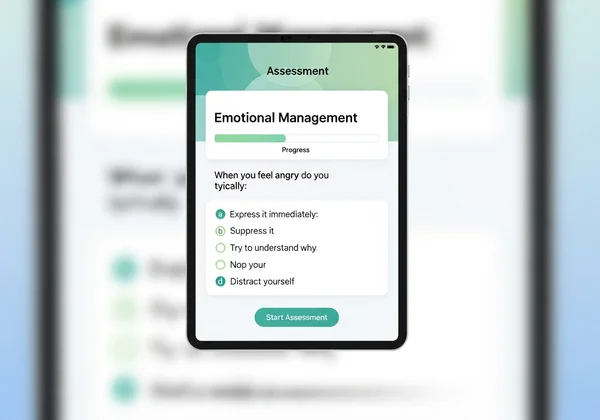
Now, it's time to start tracking these patterns more systematically to get crystal clear on what's really happening. Our free, confidential anger assessment can help you reflect on your experiences and identify your specific triggers. Take the next step in managing your emotional responses today by understanding what truly sets off your reactions. Ready to gain clarity? Begin your assessment now.
FAQ Section
Can certain foods trigger IED episodes?
While food itself is not a direct cause of IED, it can be a contributing factor. Low blood sugar (hypoglycemia) from skipping meals can lead to irritability and a shorter fuse. Additionally, some people find that high-sugar diets, excessive caffeine, or food sensitivities can affect their mood and energy levels, making them more susceptible to triggers.
How long does it take to identify personal IED triggers?
The timeline varies for everyone. Some people might notice a clear pattern within a few weeks of mindful observation or journaling. For others, it might take a few months to uncover more subtle or complex triggers. The key is consistency. The sooner you start tracking your experiences, the sooner you'll have the data you need.
What if my triggers don't match any of the common ones listed?
The list above is not exhaustive, and triggers can be highly individual. You might be reacting to something very specific, like a particular phrase, a past memory, or a unique sensory input. This is why a personal tool like a trigger journal is so important. If you're struggling to identify your triggers, our confidential assessment can provide a structured way to explore your reactions.
Are IED triggers the same for everyone with the disorder?
No, they are not. While there are common themes, two people with IED can have completely different sets of triggers. One person might be triggered by feelings of social rejection, while another is triggered primarily by physical discomfort or stress at work. Understanding your personal trigger profile is essential for developing an effective management plan.