7 Early Signs of IED: Spot Explosive Anger Patterns
Are your anger reactions often disproportionate or uncontrollable? You might feel like you go from zero to one hundred in seconds, leaving confusion and regret in your wake. If this sounds familiar, you may be wondering if your intense outbursts are more than just a "bad temper." Understanding the patterns behind your anger is the first step toward gaining control.
Let's look at the seven early signs of Intermittent Explosive Disorder (IED). I'll break them down simply and without judgment, so you can check if they match what you're going through. Recognizing these signs isn't about labeling yourself, but about finding clarity.
Gaining insight into your emotional responses is a powerful move. A great starting point is to reflect on your patterns with a structured approach. To help you with this, a free and confidential anger self-assessment can provide valuable perspective. Let's explore the signs together.
Understanding Explosive Anger: What is IED?
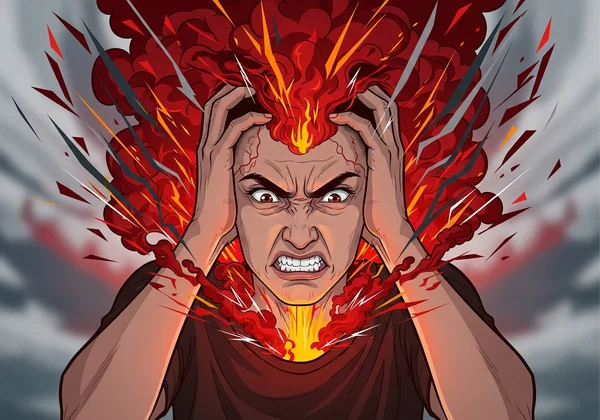
Before diving into the specific signs, it's important to understand what Intermittent Explosive Disorder actually is. IED is a recognized mental health condition. It involves sudden, recurrent episodes of impulsive aggression or violence—way out of proportion to what triggered them.
More Than Just a Bad Temper: Defining IED
Everyone gets angry, but IED is different. It’s not about being grumpy or having a short fuse. It's a disorder of impulse control. People with IED struggle to resist the urge to act on their aggressive impulses. The outbursts are typically rapid and brief, lasting less than 30 minutes, and often occur with little to no warning.
Crucially, this isn't a calculated or premeditated act. The individual isn't trying to intimidate or manipulate others. Instead, they feel a genuine loss of control over their anger, as if an intense pressure builds up and has to be released. This separates it from other forms of aggression and highlights its impulsive nature.
The Impact of IED on Daily Life and Relationships
Living with untreated IED can have devastating consequences. The unpredictable nature of the outbursts can create a constant state of tension and fear for family members, partners, and friends. Relationships often become strained or break down completely because loved ones feel they are walking on eggshells.
IED also hits work or school hard. It can cause money troubles and even legal issues. The internal impact is just as severe. After an episode, individuals often experience profound feelings of guilt, shame, and embarrassment. This emotional aftermath can contribute to depression, anxiety, and a deep sense of isolation, making the cycle even harder to break.
The 7 Early Signs of Intermittent Explosive Disorder
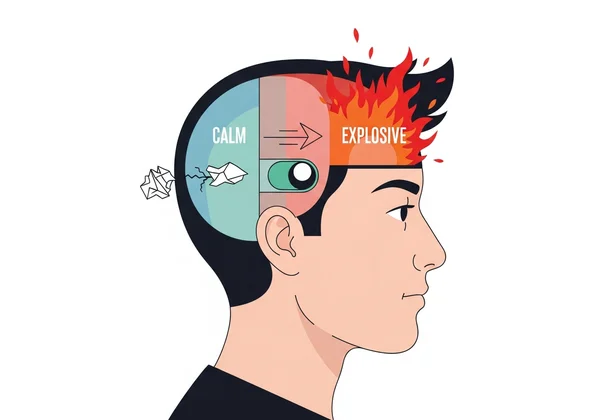
If you suspect that your anger goes beyond the normal range, reviewing these common signs can be illuminating. Like many who've shared their stories with us, you might feel like your anger is a switch that flips without your permission. These patterns are based on the criteria outlined in resources like the Diagnostic and Statistical Manual of Mental Disorders (DSM-5), which professionals use for diagnosis.
Frequent, Unprovoked Anger Outbursts
This is one of the core features of IED. It often manifests as verbal aggression, such as temper tantrums, tirades, shouting matches, or heated arguments. These outbursts can also involve non-damaging physical aggression. This pattern is typically frequent, occurring on average twice a week over a period of several months. The key is the regularity and the feeling that these reactions are happening far more often than they should.
Disproportionate Reactions to Minor Provocations
A hallmark sign of IED is an emotional reaction that is grossly out of proportion to the trigger. For example, a minor annoyance like someone cutting you off in traffic might trigger a terrifying road rage incident. Spilling a glass of milk could lead to a screaming fit. Friends and family may describe the person’s reactions as "over the top" or say they "fly off the handle" for no good reason. This mismatch between the event and the emotional response is a critical indicator.
Physical or Verbal Aggression Towards Others/Property
IED outbursts are not just internal feelings; they are expressed outwardly. This can include threatening someone, shoving or pushing, getting into physical fights, or damaging property by throwing, kicking, or breaking objects. While less frequent, more severe outbursts involving physical assault or significant property destruction are also a sign. The aggression is real and has tangible, often damaging, consequences.
Lack of Planning or Premeditation
The explosive episodes in IED are impulsive, not planned. They are reactive and happen in the heat of the moment, often without any thought given to the consequences. There is no lead-up where the person plots revenge or plans to cause harm. It’s a sudden, overwhelming surge of anger that bypasses rational thought, which is why it often feels so uncontrollable to the person experiencing it.
Experiencing Relief Followed by Remorse or Guilt
The emotional cycle of an IED episode is very telling. During the outburst, the individual may feel a sense of release or even relief as the intense internal pressure subsides. However, this feeling is almost always short-lived. Once the anger fades, it is quickly replaced by deep feelings of remorse, regret, shame, or embarrassment about their actions. This painful aftermath is a significant source of distress.
Significant Distress or Impairment in Functioning
These anger episodes are not just isolated incidents; they cause significant problems in a person's life. This is a crucial diagnostic point. The outbursts might lead to losing a job, getting suspended from school, facing divorce, or having legal issues. The person feels deep distress from not controlling their anger. If outbursts don't disrupt life or cause regret, it might not be IED.
Not Better Explained by Another Condition
To be considered IED, the explosive outbursts cannot be better explained by another mental disorder, such as bipolar disorder, antisocial personality disorder, or a disruptive mood dysregulation disorder (in children). It's also important to rule out the effects of a substance (like alcohol) or another medical condition (like a head injury). This is why a comprehensive evaluation by a professional is so important for an accurate diagnosis.
What to Do If You Recognize These Signs
Reading through these signs can be unsettling, especially if many of them feel familiar. But remember, recognition is the first and most powerful step toward change. It opens the door to understanding and finding effective ways to manage your emotions.
Your First Step: Taking an IED Self-Assessment
If you see yourself or a loved one in these descriptions, a helpful next step is to gather more structured information. An online self-assessment can help you organize your thoughts and see your patterns more clearly. It provides a private, pressure-free space to reflect on your experiences.
Our website offers a free, completely confidential assessment designed to provide insights into patterns of anger and impulsivity. It's not a diagnostic tool, but it can give you a personalized summary that helps you understand your situation better. Consider it a starting point for a more informed conversation about your health. To explore your patterns, you can start your test anytime.

Why Professional Consultation is Crucial for Diagnosis
While online tools are excellent for initial insights, they can never replace a professional evaluation. Only a qualified healthcare provider, like a psychiatrist, psychologist, or licensed therapist, can accurately diagnose IED. They will conduct a thorough assessment to rule out other potential causes and develop a safe and effective treatment plan.
The results from an online assessment can be a valuable document to bring to your appointment. It shows you've taken the initiative and provides your doctor with a clear summary of your concerns, making that first conversation much easier.
Reclaiming Control
Recognizing the early signs of IED—from disproportionate reactions to the crushing guilt that follows—is a courageous first step towards reclaiming control and building a healthier life. These seven signs are not meant to be a label, but a guide to help you make sense of confusing and distressing experiences. Understanding that these patterns may be part of a treatable condition can bring immense relief.
Armed with this, you're ready to take action. You're not alone—plenty of people turn things around with the right help. Build on what you've learned now.
If you're ready to take the next step in understanding your emotional responses, begin with our confidential tool. Get personalized insights and start your journey toward balance and peace today.
FAQ Section
How do I know if I have IED or just bad anger?
The key difference lies in the pattern, intensity, and consequences. While "bad anger" is a general term, IED involves recurrent outbursts that are grossly out of proportion to the trigger, feel uncontrollable, and cause significant distress or impairment in your life, such as damaging relationships or causing legal issues. A good first step to see if your patterns align with IED is to try our free tool.
What causes intermittent explosive disorder?
There isn't a single cause for IED. It's believed to result from a combination of factors. Genetics may play a role, as the condition often runs in families. Environmental factors are also significant; many people with IED grew up in homes where explosive behavior and verbal or physical abuse were common. Brain chemistry, particularly differences in how the brain uses serotonin, may also contribute to impulsivity and aggression.
Does IED get worse with age if untreated?
IED symptoms often first appear in adolescence and can persist for many years. While the frequency of outbursts might decrease in middle age for some, the consequences of untreated IED can accumulate and worsen over time. This includes destroyed relationships, chronic job instability, and long-term legal or financial problems. Seeking treatment is crucial to prevent this cumulative damage.
What does an IED outburst feel like for the person experiencing it?
For the individual, an outburst often begins with a rapid build-up of tension, irritability, or rage. During the episode, they describe feeling a complete loss of control, as if they are watching themselves from the outside. There's an overwhelming impulse to scream, strike, or destroy. Immediately after, the intense anger often vanishes, replaced by a profound sense of exhaustion, embarrassment, and deep guilt over their actions.